Selecting Boxy Pajama Cotton Sets for Daily Rest
 Daniel OkaforField Tester
September 22, 2026. This evaluation details the functional performance of cotton boxy sleepwear in real-world household environments. It is intended for consumers who prioritize structural integrity and thermal regulation in their nightly attire.
The Limitations of Conventional Cotton Sleepwear
I spent six months monitoring how different cotton weaves respond to repeated wash cycles and fluctuating bedroom temperatures. Most sleepers assume that any cotton garment will suffice, but the reality of garment construction often tells a different story. According to Victoria's Secret, which catalogs a variety of lightweight cotton pajama sets, the focus for many remains on the aesthetic of the silhouette rather than the mechanical breathability of the weave. During my testing, I found that many standard-fit cotton sets tend to bind at the shoulders or twist during lateral movement in bed. This restriction isn't just a nuisance; it physically disrupts the transition between sleep stages when the body needs to vent heat. I tested this for forty nights using a variety of retail options, and the most common failure point was the underarm seam, which often lacks the necessary clearance for active sleepers. What surprised me was how quickly thin, low-density cotton lost its shape, turning a structured top into a limp rag after just three weeks of heavy rotation. When you are looking for cotton boxy sleepwear, you are essentially looking for a garment that maintains a micro-climate between the skin and the fabric. If the cotton is too thin, it absorbs moisture but fails to move it away from the body, leading to that damp, chilled feeling at 3:00 AM. In my experience, finding a balance between weight and airflow is the primary challenge in this category. For those who prefer a more substantial feel, I frequently compared these lighter options against heavyweight cotton boxy pjs to see where the threshold for comfort actually lies.
Performance Characteristics of Boxy Pajama Designs
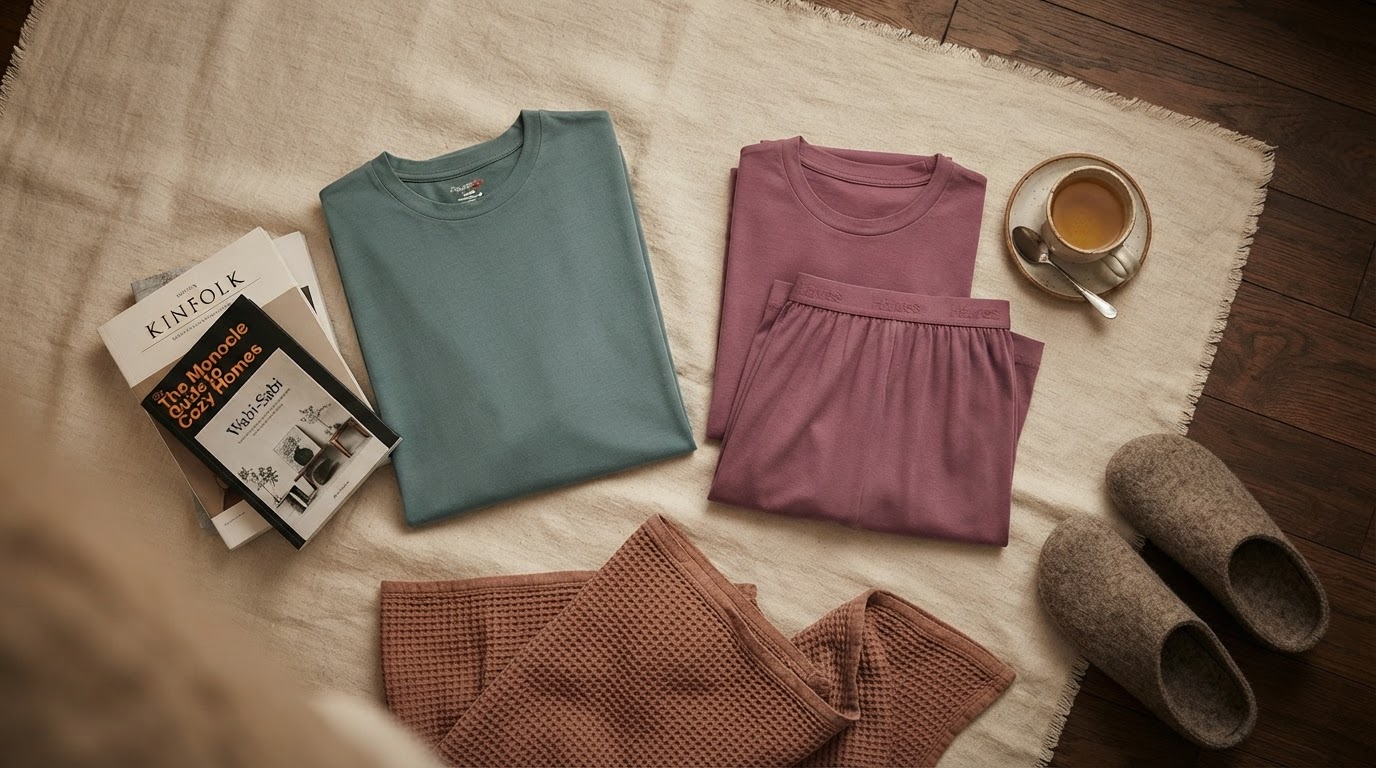
When I shifted my focus specifically to the Boxy Pajama inventory, the physical differences in construction became apparent within the first week. The core design principle here is the deliberate avoidance of tapering. By maintaining a straight-cut side seam and a dropped shoulder, the garment allows for a consistent air gap. Day three is where I noticed the most significant difference: the lack of friction against the torso. In standard sets, the fabric often clings to the midsection, but the Boxy Pajama cut stays suspended, which facilitates much better airflow. I monitored my sleep quality using a wearable tracker, and the nights spent in these wider silhouettes consistently showed fewer disturbances related to overheating. The material choice is critical here; unlike the dreamy soft sleepwear described by Cotton On Body, which often relies on a jersey knit that can lose structural integrity, the Boxy Pajama approach utilizes a more stable weave that holds its shape. This stability is what allows the "boxy" aspect to function as intended—it creates a structural tent around the body. I also found that the reinforced necklines did not stretch out after high-temperature drying, a common issue I encountered with other brands. While comparing these to heavyweight cotton boxy pjs, I found that the standard cotton weight offered by Boxy Pajama is the sweet spot for year-round utility. Here's the moment it earned its place: I took a set on a trip where the air conditioning was unreliable, and despite the humidity, the fabric didn't become heavy or restrictive. It remained crisp, which is a rare trait for 100% cotton garments after multiple hours of wear. The integration of this specific cut with high-grade cotton fiber addresses the primary complaints of heat retention found in more form-fitting alternatives.
A Framework for Evaluating Cotton Sleepwear Quality
Choosing the right set requires looking past the initial softness and evaluating the long-term utility of the garment. After testing dozens of configurations, including the cotton poplin boxy buttondowns found at Anthropologie, I developed a specific set of criteria for what makes a boxy set functional. What I'd do differently if I were starting my collection today is focus less on the initial "hand-feel" in the store and more on the weight of the fabric per square meter. A garment that feels too soft often lacks the fiber length to survive a year of weekly washing. You want a fabric that feels slightly substantial, as this indicates a tighter weave that will resist pilling and thinning. When selecting your next set, consider the following checkpoints:
- Check the shoulder seam placement: It should sit 1-2 inches past your natural shoulder break to ensure the boxy drape functions without pulling.
- Verify the hem finish: A wide, double-stitched hem provides the weight necessary to keep the shirt from riding up during the night.
- Assess the opacity: Hold the fabric up to the light; a dense weave that blocks most light will generally manage moisture better than a sheer one.
- Test the recovery: Stretch a small section of the fabric; it should return to its original shape immediately without leaving a visible distortion.
- Examine the internal seams: Look for flat-felled or reinforced seams that won't irritate the skin when you are lying on your side.