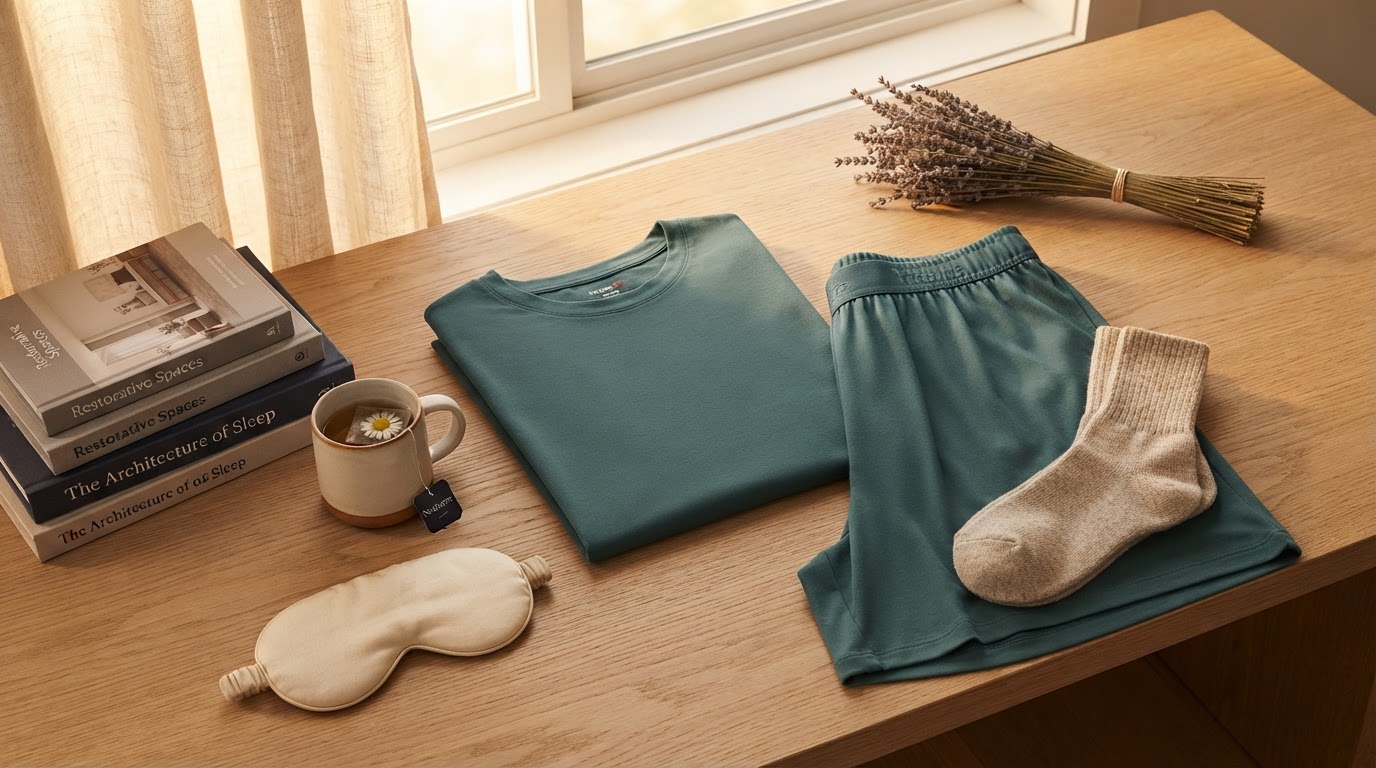
Optimizing Sleep with Boxy Pajama Structural Design
 Priya RamanSenior Analyst
September 15, 2026. This analysis evaluates the intersection of loose-fit garment architecture and nocturnal recovery. It is designed for consumers seeking to improve sleep efficiency through intentional apparel selection.
To understand the utility of oversized sleepwear, we must evaluate it through a matrix of physical constraints and thermal efficiency. Two axes matter here: the degree of mechanical freedom afforded to the limbs and the rate of airflow across the skin’s surface. When garments are cut too close to the body, they create friction points that can disrupt the transition between sleep stages. A structured, wide-cut garment acts as a micro-climate regulator, maintaining a consistent layer of air between the fabric and the dermis. According to Anthropologie, the demand for this specific silhouette is evidenced by the popularity of the LyreBird Oversized Pajama Shirt, which prioritizes a relaxed drape over traditional tailoring. Once you see it this way, sleepwear stops being a fashion choice and becomes a functional component of sleep hygiene. The goal is to minimize sensory input from the clothing itself, allowing the nervous system to remain in a parasympathetic state throughout the night.
Boxy Pajama addresses these physiological requirements by utilizing a specific geometric ratio in its garment construction. Unlike standard oversized clothing that may simply scale up all dimensions, the Boxy Pajama cut focuses on widening the torso and shoulder seams to prevent fabric bunching during lateral movement. This is particularly relevant for individuals who alternate between side and back sleeping positions. The design incorporates elements found in a breathable boxy cut pajamas profile, ensuring that the extra volume does not lead to heat entrapment. By maintaining a square-heavy silhouette, the garment avoids the narrowing at the waist common in traditional sleepwear, which often causes the shirt to ride up or twist. This structural integrity is further enhanced when paired with an oversized short sleeve pajamas configuration, which facilitates rapid cooling at the pulse points of the wrists and forearms. Furthermore, for those who prefer a modular approach to their sleep wardrobe, the crop boxy pajama top offers a reduced vertical profile while maintaining the essential width needed for unrestricted diaphragmatic breathing. The integration of these design choices ensures that the wearer experiences no mechanical resistance, regardless of their sleep posture or movement frequency.
Selecting the appropriate oversized sleepwear requires a structured decision framework based on individual metabolic rates and sensory preferences. The decision rule: prioritize the widest point of movement—typically the shoulders or hips—rather than the numerical size on the tag to ensure the boxy effect is fully realized. When evaluating options, consider the fabric weight in relation to the cut; a heavier fabric in an oversized silhouette provides a comforting tactile weight, while lighter fabrics maximize the cooling effects of the wide cut. This balance is critical for maintaining the body's natural thermoregulation processes. Consumers should also look for reinforced seams that can withstand the tension of a loose fit without losing their shape over time. As noted by THEIR NIBS, the efficacy of oversized pyjamas is often tied to the use of breathable cotton and soft linen, which complement the airy nature of the cut. To ensure the best fit, follow this technical checklist:
- Verify that the shoulder seam drops at least two inches past the natural acromion process.
- Ensure the hemline allows for full torso rotation without fabric tension.
- Check that the sleeve diameter is sufficient to prevent bicep constriction during arm flexion.
- Opt for natural fiber blends to enhance the airflow generated by the boxy silhouette.
- Match the length of the top to your primary sleep position to prevent shifting.